Building Bonds: How Community Engagement Enhances Public Safety with Law Enforcement
In today's world, when we hear the term 'public safety,' it often evokes images of law enforcement officers patrolling the streets, ready to respond to any emergency. However, there’s a deeper aspect to public safety that goes beyond the quick reaction of a police officer—it's the affection and partnership between the community and its law enforcement authority. Have you ever wondered how community engagement could transform our neighborhoods into safer sanctuaries? This blog will explore the power of community engagement in public safety, revealing how fostering fondness and mutual respect can lead to crime reduction and enhanced security services.
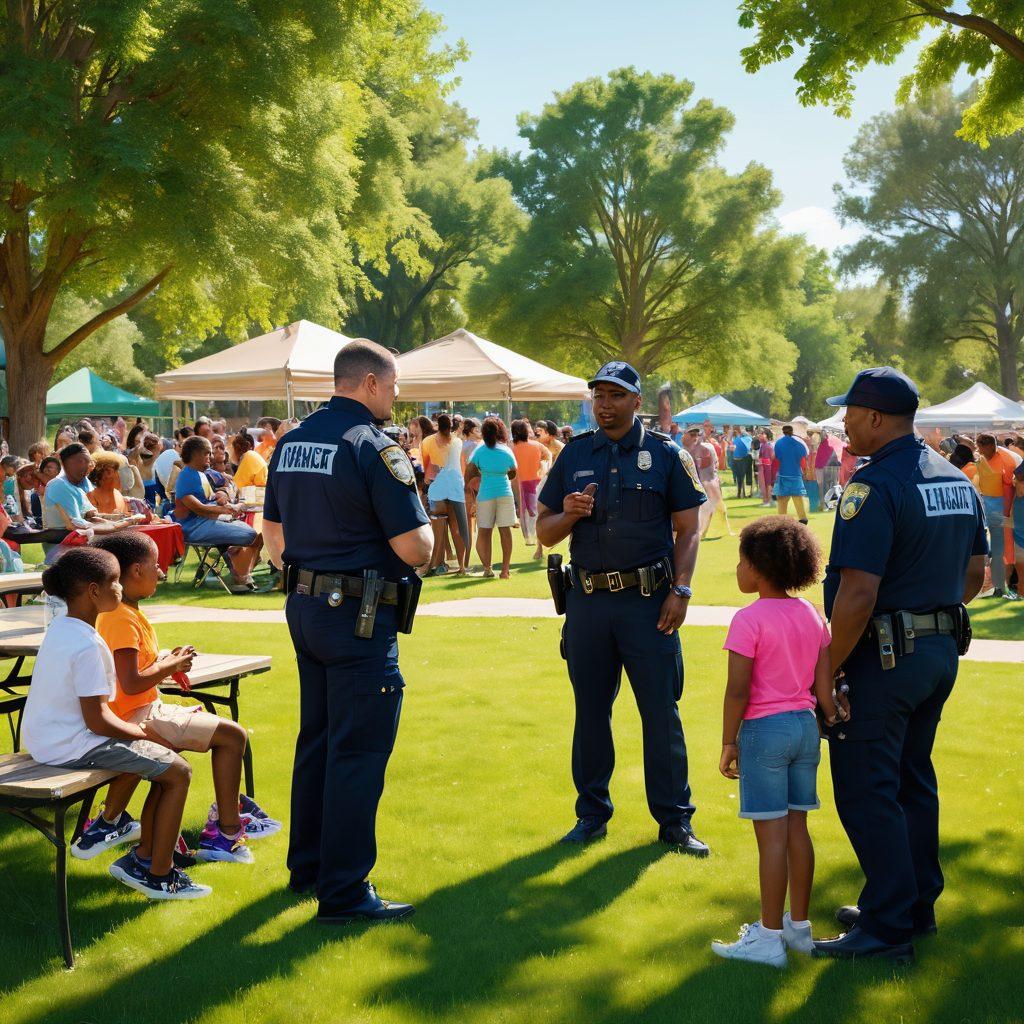
Imagine a neighborhood where the police are not just viewed as an authority but as friends and supporters of the community. This image reflects the essence of community policing, which emphasizes collaboration between the national police force and the citizens. When local safety initiatives are rooted in affection, residents feel empowered to engage with local law enforcement. As one police officer once said, "Building relationships is the key to breaking down barriers." This shift in perception fosters a sense of adoration and trust, encouraging residents to actively participate in their community's safety awareness activities.
The role of police visibility is crucial in establishing these bonds. When citizens see police officers participating in community events, they start to view them not just as figures of law enforcement but as integral members of their community. This kind of engagement promotes an atmosphere of openness and communication, enabling citizens to voice their concerns and suggestions. A strong community engagement approach can enhance public security by generating trust among the people, drastically improving the effectiveness of safety services across the board.
What if every citizen took a moment to participate in police outreach programs? From neighborhood watch groups to safety workshops, these initiatives generate fondness and genuine connection between law enforcement and citizens. Throughout the country, successful policing models have shown that when community members take part in safety discussions, it encourages them to assist law enforcement in crime prevention. It’s this collaboration that not only aids in citizen protection but also fosters a culture of accountability and vigilance.
In conclusion, fostering affection through community engagement is not merely an ideal; it's a proven strategy that enhances public safety. The more we build adoration and cooperation between law enforcement and the communities they protect, the lighter the burden on our police officers becomes. In times when public service is challenged, it is this connectivity that leads to more effective peacekeeping services and elevated feelings of security among residents. So, how can you contribute to this transformation in your area? Start by embracing the relationships in your community—every little engagement counts!
Building Fondness: How Partnerships with Law Enforcement Reduce Crime
In any vibrant community, a foundation of affection and adoration is critical for building bonds that not only strengthen relationships but also enhance public safety. Imagine a neighborhood where residents feel a sense of fondness for their law enforcement authority, viewing them not just as enforcers of the law, but as supportive partners in their journey towards a safer environment. In this age when crime seems pervasive, it's vital to recognize that partnerships with law enforcement can indeed reduce crime and create a dynamic shift towards a more secure community. So, how does fostering such positive relationships between citizens and their national police force impact the overall safety of our neighborhoods?
At the heart of these partnerships lies community engagement, an essential ingredient in the recipe for effective policing and crime reduction. When law enforcement agencies invest time in community outreach programs, they pave the way for safety services that truly meet the needs of the people they serve. Consider a weekend community barbeque organized by the police, where officers mingle with residents, share stories, and engage in laughter. This is not just a light-hearted event; it cultivates trust and personal connections that can lead to increased police visibility during critical moments, ultimately enhancing public security. How many times have you felt a sense of ease just by knowing your local officer by name?
The essence of community policing shifts the paradigm of how we see law enforcement. It transforms their role from mere guardians of the law into active participants in the community's well-being. With a focus on citizen protection and safety awareness, these partnerships foster a spirit of collaboration. Crime reduction begins when residents feel empowered to report suspicious activities without fear of retribution. Imagine having a police officer in your neighborhood who knows the local dynamics and is all ears for community feedback. This level of engagement builds a culture where law enforcement support is viewed as a partnership rather than a hierarchy, and where local safety initiatives flourish.
What if I told you that these partnerships can significantly enhance peacekeeping services? When both the police and the community collaborate, the effectiveness of response strategies significantly increases, as both parties are on the same page. From shared responsibility to problem-solving together, this collaborative approach promotes a foundation of safety that permeates every corner of the neighborhood. Regular meetings and consultations between the police and community members can lead to innovative policies that adapt to the current crime landscape, reinforcing a shared commitment to keeping communities safe. Let's ask ourselves, wouldn't it be reassuring to know that your local police are deeply involved in the safety fabric of your community?
Ultimately, fostering fondness between residents and law enforcement representatives transforms the community into a resilient unit, capable of tackling challenges together. These relationships, built on trust and mutual respect, serve to not just reduce crime but to redefine the community's perception of policing and security services. As community members become more engaged, it empowers them to take an active role in crime prevention. Will you be part of this wave of change? Let's encourage one another to embrace community engagement and support our law enforcement officers in making our neighborhoods a beacon of safety and security.
Enhancing Public Security: The Role of Police Visibility and Community Policing
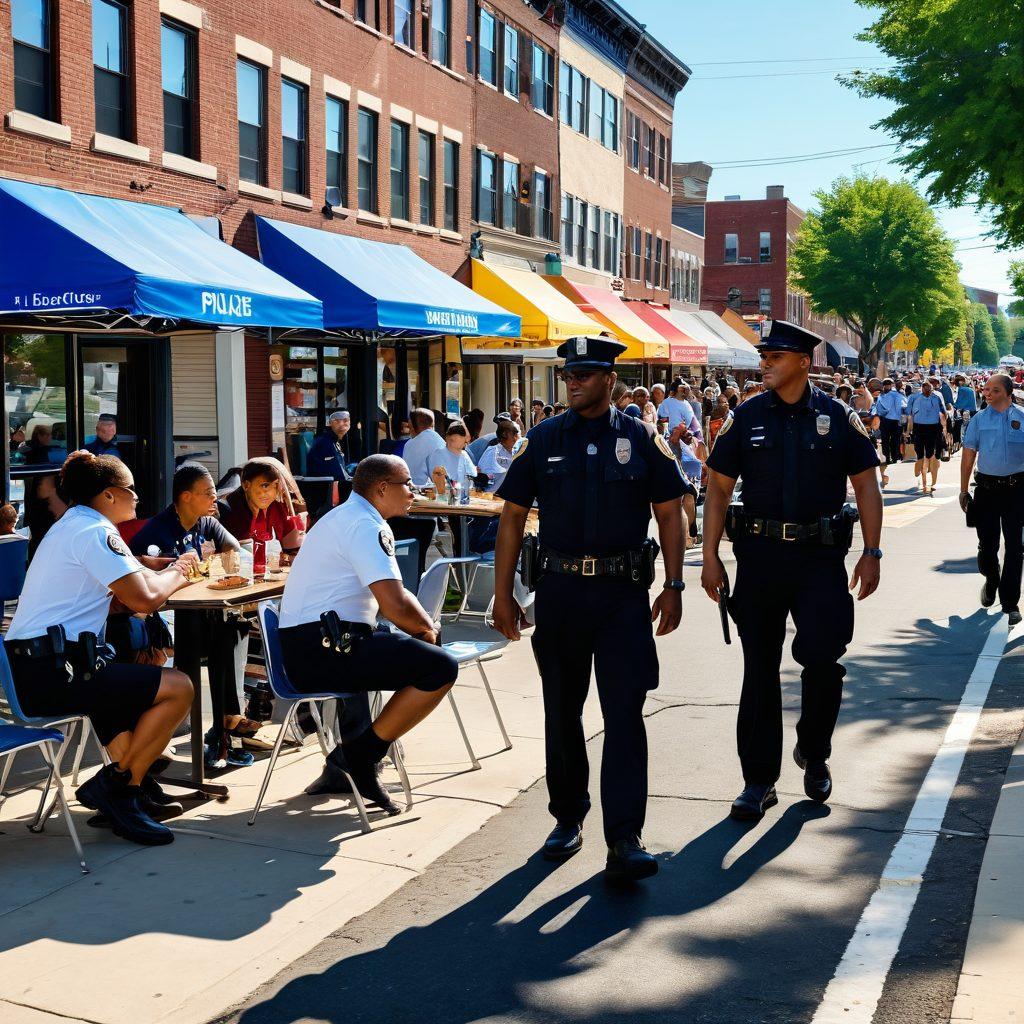
Public security is a cornerstone of any thriving community, embodying not just the absence of crime but a sense of shared obligation towards maintaining a safe environment. One of the most effective ways to bolster the fabric of public safety is through active police visibility and community policing. Imagine a neighborhood where the streets are patrolled by friendly officers who are not just enforcers but neighbors, who engage in conversations about safety awareness and community concerns. This is the essence of community engagement; it’s about creating a town where affection for local law enforcement flourishes, igniting adoration from the very citizens they protect.
When we think of our national police force, it’s easy to picture stern figures in uniforms, but what if we could change that narrative? According to studies, communities that embrace community policing initiatives experience a significant reduction in crime rates. It’s not just about imposing laws; it’s about fostering fondness through tangible interactions. Officers participating in local safety initiatives, attending community events, or even just having a chat at the local coffee shop can transform public perception and enhance their law enforcement authority. Isn’t it interesting how a simple conversation can lead to feelings of trust and security?
Through community policing strategies, the focus shifts from a top-down approach to a more collaborative framework that includes citizen participation. This new paradigm encourages law enforcement support and motivates community members to take an active role in crime prevention. When citizens feel empowered, they are more likely to engage with their local law enforcement, making safety services not just reactive, but proactive. As the saying goes, 'It takes a village'—not just to raise children, but to ensure the safety of everyone in the community. How does your village engage with its protectors?
There’s something heartwarming about seeing police officers take part in community-building activities—attending fairs, sponsoring local sports teams, or even hosting safety workshops—because these interactions sow the seeds of mutual respect and trust. The folks who once saw them merely as figures of authority begin to recognize them as partners in community well-being. Law enforcement plays a critical role not just in enforcing laws but in acting as peacekeeping services, creating avenues for open dialogue about citizen protection and safety concerns. But how often do we take a moment to appreciate their commitment to public service beyond their badge?
Ultimately, enhancing public security is a shared journey; it’s about creating a relationship built on respect, understanding, and shared responsibility. Communities that foster police visibility through outreach programs and police outreach efforts cultivate environments where crime reduction thrives, thanks to the integral role of community engagement. So, the next time you see an officer in your area, take a moment to thank them for their service. After all, it’s not just their job; it’s a role that requires an immense amount of affection and dedication to create a safe space for all. What steps can you take today to become more involved in your community’s safety initiatives?